The story
A neutral table, laid in 1994.
India opened generation to private capital in 1991. Three years later the producers, the regulators who would follow and the policymakers who needed both met at one table. This is the record, year by year, with the sector’s own milestones alongside.
- 1994–98Private power
Counter-guarantees, competitive bidding versus MOUs, liquid fuel policy, project finance, captive power. - 1999–2002Reform
Mega power policy and trading; SEB reform round tables in four cities; the privatisation of distribution. - 2003–05Open access
Section 42(2) and the consumer’s option; power-exchange design; transmission bidding; surcharges and “pan-caking”. - 2004Rural, bottom-up
If each Gram Panchayat built 0.5 MW, India would add 125,000 MW — presented at Vigyan Bhawan, 5 November. - 2006Energy security
Geopolitics, a 50,000 MW nuclear addition, coal and gas pricing; could the UI power pool create competition? - 2008–10Convergence
Regulatory convergence across power, telecom, oil & gas and aviation; carbon credits; public good versus private profit. - 2011–16Competition & renewables
Ancillary services, hydro purchase obligations, the merchant market, a SAARC grid, carriage and content in the 2014 Bill. - 2025–26The transition
GNA, resource adequacy, storage, market coupling, electricity derivatives, AI and cybersecurity, the Draft Bill 2025.
Year by year.
Left, IPPAI. Right, the sector. Each year links to its own page.
-
1991
Electricity (Supply) Act, 1948 amended, 15 October: private generation recognised.
-
1992
Two-part tariff and 16% return on equity notified for private thermal projects.
-
1993
Dabhol Power Company PPA signed, December.
-
1994
IPPAI established. India Power ’94, New Delhi, addressed by Prime Minister P V Narasimha Rao.Installed capacity of public utilities: 76,718 MW (31 March).
-
1995
India Power ’95; The State of Indian Power 1994–95, co-sponsored by the Ministry of Power.Mega power policy for plants of 1,000 MW or more, 10 November.
-
1996
India Power ’96 “Beyond Dabhol”; Captive Power conference; India Power Legal Summit.Common Minimum National Action Plan for Power, December: central and state regulators.
-
1998
India Power ’98, Energy & Infrastructure Summit, addressed by Chandra Shekhar.Electricity Regulatory Commissions Act; CERC constituted, July.
-
1999
Power Trading Corporation of India incorporated.
-
2000
CERC introduces Availability Based Tariff, 4 January.
-
2001
South Asia Power & Energy Summit.Energy Conservation Act, 29 September; BEE set up March 2002.
-
2002
Regulation in Energy Markets; SEB reform round tables in four cities.
-
2003
First Regulators’ Retreat, Goa Marriott, 19–21 September.Electricity Act 2003 in force, 10 June: generation delicensed, open access, trading licensed.
-
2004
Panchayati Raj energy initiative at Vigyan Bhawan, 5 November; Power Storm III & IV; India Energy Mart.CERC Open Access (Inter-State Transmission) Regulations.
-
2005
5th Retreat, Rambagh Palace, Jaipur; One Year After Open Access.National Electricity Policy, 12 February; Section 63 bidding guidelines; RGGVY launched.
-
2006
IEM — Energy Security for the Nation; RE Retreat, Goa; Indian Electricity Market Design.Tariff Policy, 6 January; Ultra Mega Power Projects put to tariff-based bidding.
-
2008
9th Retreat, pan-Asian; Legal & Tax Summit begins.Indian Energy Exchange begins operations, 27 June; PXIL follows in October.
-
2009
10th Retreat; Washington conference; Wind & Biomass seminar.
-
2010
11th Retreat and the first Master Class for Energy Regulators; FERC dialogue, Washington.National Solar Mission launched, 11 January; CERC Power Market Regulations; REC mechanism.
-
2011
1st Asia Energy Security Summit, Colombo; 12th Retreat; Powering Bihar; Competition in Distribution, Odisha.First Renewable Energy Certificate trades, March.
-
2012
2nd Summit, Colombo; Powering Jharkhand, Ranchi; 13th Retreat; the Power Awards begin.Northern and Eastern grid disturbances, 30–31 July.
-
2013
3rd Summit, Bangkok; first conference on ancillary services, 10–11 April; SAARC seminar; Promoting Hydro Power.Southern grid synchronised, 31 December: one national grid.
-
2014
4th Summit, Colombo; SAARC workshop, Kathmandu; 15th Retreat; Economic Impact of Judicial Decisions.Electricity (Amendment) Bill, 2014 introduced, 19 December.
-
2015
Amendment Bill workshops in four cities; 5th Summit, Kathmandu; Powering Vidarbha, Andhra, Telangana; 16th Retreat; Kolkata.Solar target raised to 100,000 MW by 2022, 17 June; UDAY approved, 5 November.
-
2016
6th Summit, Goa; Powering Cambodia; the first IRPRI courses at Belgundi; 17th Retreat, The Lalit Goa, where Nitin Gadkari released Powering India in 2017 and Beyond; Power Play on ET NOW, 52 episodes.
-
2017
Asia–Middle East Energy Security Summit, Belgundi; cyber-security workshops with the CEA and NCIIPC at SRPC, WRPC and NRPC; power conclaves in Chennai, Kolkata and Chandigarh; 18th Retreat, Belgundi.Saubhagya launched, October; all willing households reported electrified by March 2019.
-
2018
Conferences in Mumbai, Lucknow and Hyderabad; 19th Retreat and Power Awards, Belgundi, November.
-
2019–24
The Retreat continues, 20th to 24th editions, with the Power Awards each year.
-
2020
Real-Time Market goes live on the exchanges, 1 June.
-
2021
500 GW non-fossil capacity by 2030 announced at COP26; 40% non-fossil reached in November.
-
2022
Green Energy Open Access Rules, June; GNA Regulations; Bill 2022 introduced; POSOCO becomes Grid-India.
-
2025
25th Retreat; derivatives workshops in Delhi and Mumbai; ten IRPRI batches; Draft Bill workshop at the CEA, 6 November.Electricity futures begin trading on MCX (10 July) and NSE (14 July); Draft Bill 2025 released, 9 October.
-
2026
26th Retreat and Power Awards, Belagavi, 7–10 January; Legal & Regulatory Summit; Future of Power Systems, 16 September.Record peak demand met, 256.1 GW, 25 April; installed capacity 554,544 MW, 53.8% private, 31 August.
Five Prime Ministers
Heads of government at the table.
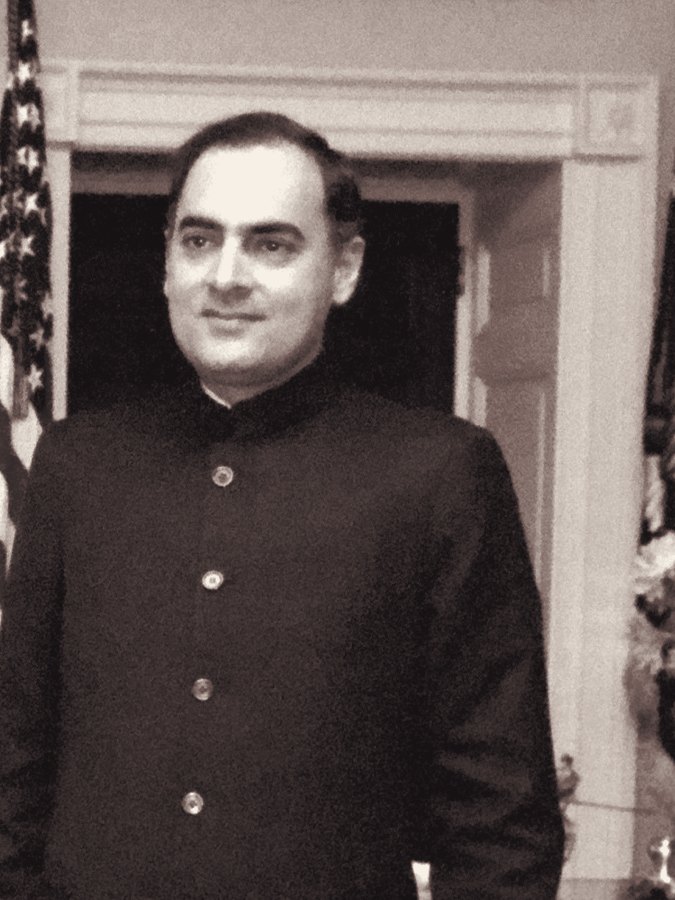
Shri Rajiv Gandhi
Prime Minister, 1984–89
Support, participation and guidance to IPPAI’s conferences.
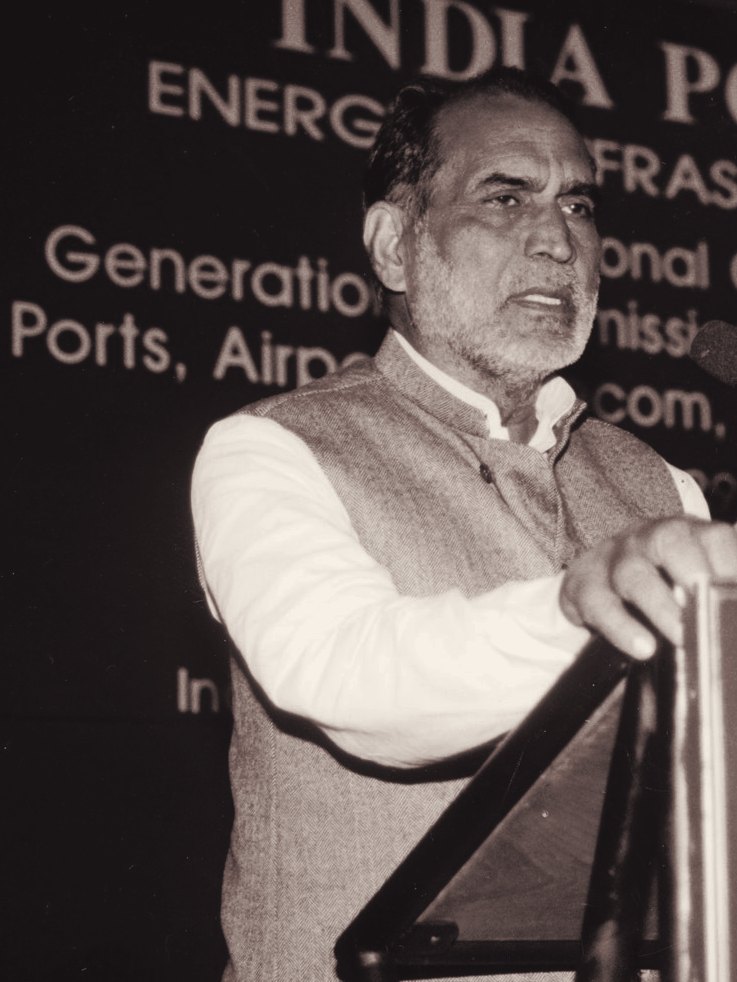
Shri Chandra Shekhar
Prime Minister, 1990–91
Addressed India Power ’98, the Energy & Infrastructure Summit, New Delhi.
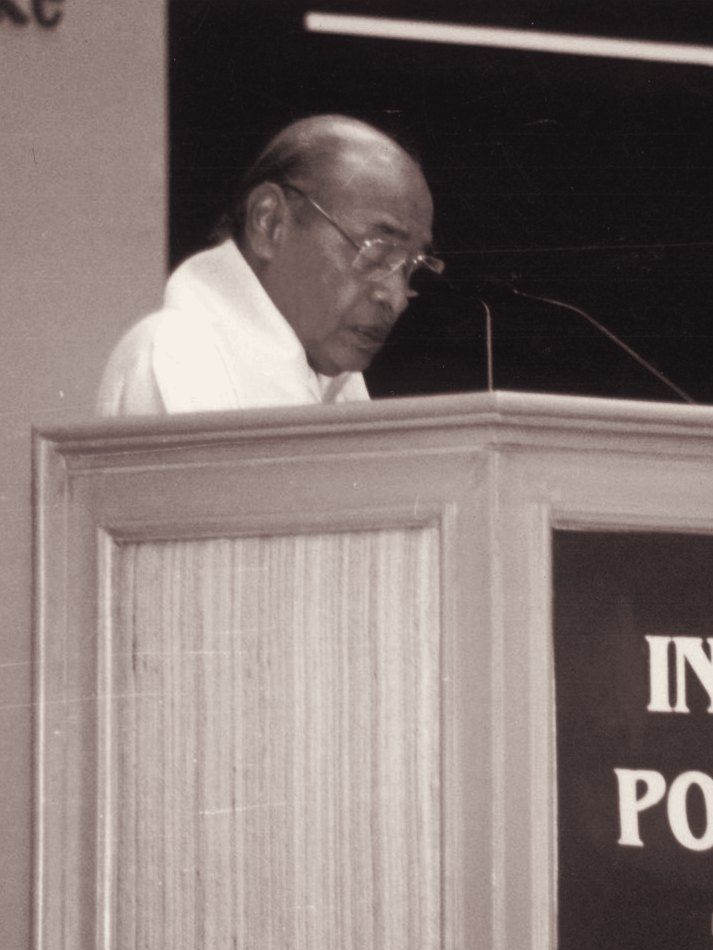
Shri P V Narasimha Rao
Prime Minister, 1991–96
Keynote address, India Power ’94, New Delhi. “Leave the private sector to freely invest in infrastructure and make profit.”
“It is not the business of the private sector to invest in social sectors … leave the private sector to freely invest in infrastructure and make profit.”
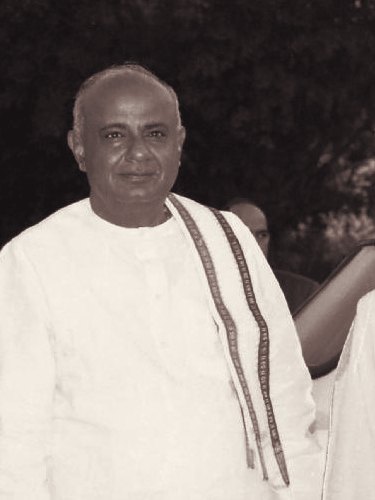
Shri H D Deve Gowda
Prime Minister, 1996–97
Support, participation and guidance to IPPAI’s conferences.
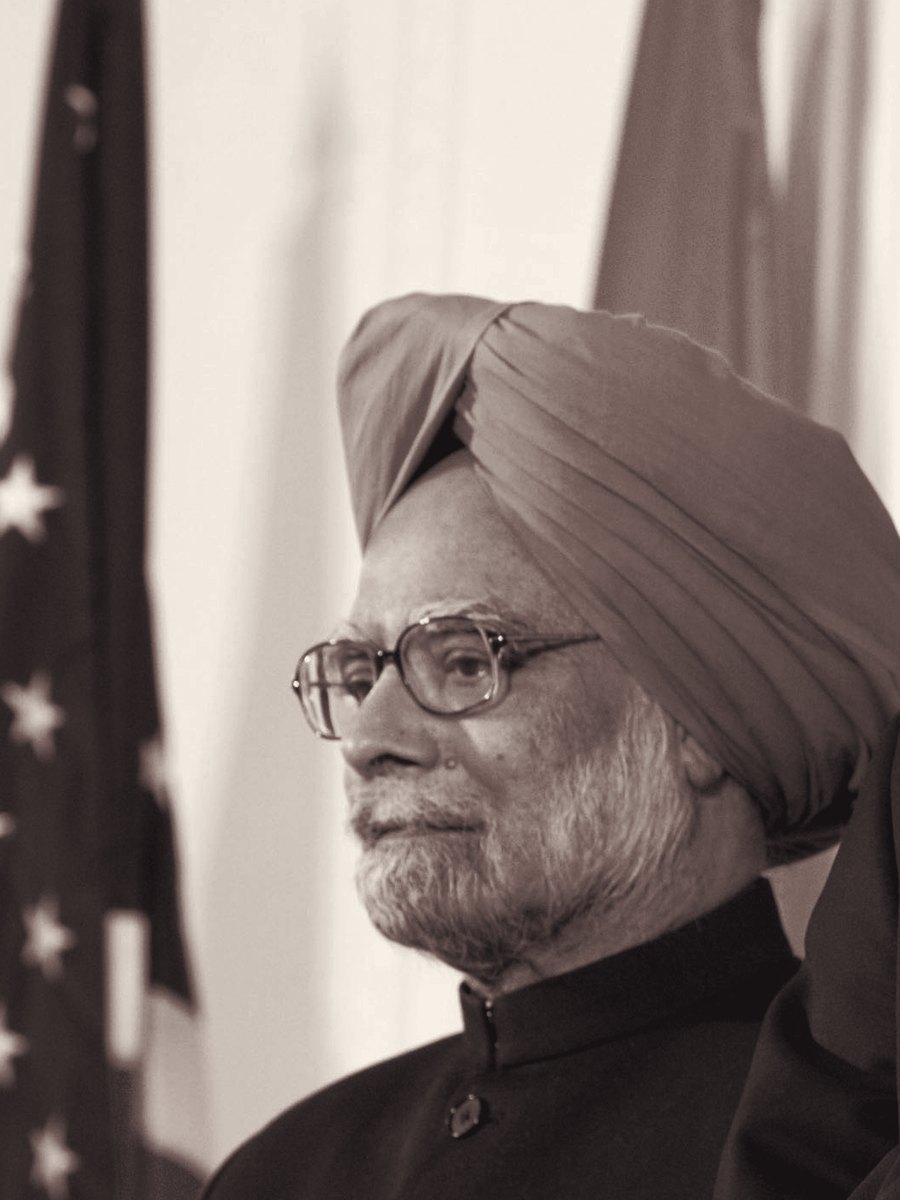
Dr Manmohan Singh
Prime Minister, 2004–14
Support, participation and guidance to IPPAI’s conferences.
From the archive
Inside the room.


Influence
What IPPAI put to Government.
- 2003The first Retreat closes with a round table designed to produce “concrete and comprehensive suggestions” for Government, as a concept paper.
- 5 Nov 2004Creating 100,000 Sustainable Electricity Utilities, presented at Vigyan Bhawan: 0.5 MW per Gram Panchayat, 125,000 MW in all.
- 13 Mar 2013Letter to R V Shahi, Convenor of the Advisory Group sub-committee on the Electricity Act and Tariff Policy: separate carriage from content.
- 25 Aug 2013Five suggestions from the Ministry of Power’s Sub-Group on Power Transmission, convened by Harry Dhaul, including a National Power Beltway and GNA.
- 27 Nov 2013Letter to the Minister of State for Power (I/C) on the proposed amendments to the Electricity Act 2003.
- 2013–14Hydro Purchase Obligations and a peaking-power policy; from the SAARC seminar, the recommendation of a SAARC Grid.
- 2015Thirty points for Budget 2015–16 from a consultation chaired by Prof S L Rao.
- Feb–Mar 2015Workshops on the Electricity (Amendment) Bill 2014 in Delhi, Mumbai, Kolkata and Bangalore, compiled for the Parliamentary Standing Committee on Energy.
- 6 Nov 2025Workshop on the Draft Electricity (Amendment) Bill 2025 at the Central Electricity Authority.